From Plan A, B, to C: Reproductive Justice, Narrative Infrastructure, and the Stories Shaping Our Future
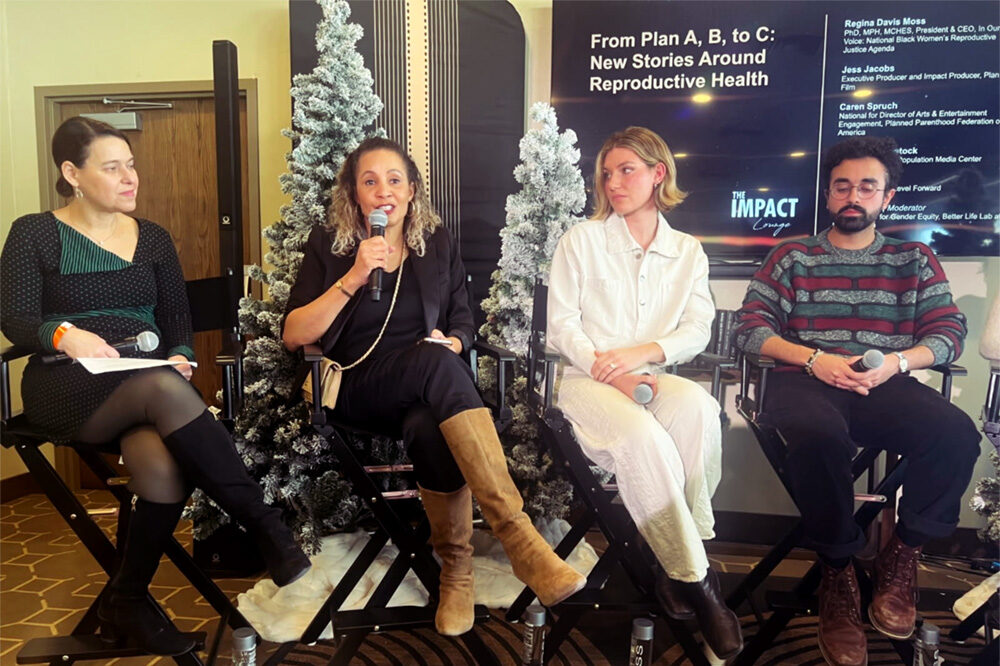
L–R: Vicki Shabo, Regina Davis Moss, Jess Jacobs, and Humza Syed in conversation about narrative, power, and care.
In January 2026, Dr. Regina Davis Moss, President and CEO of In Our Own Voice: National Black Women’s Reproductive Justice Agenda, joined cultural leaders, storytellers, and impact strategists at The Impact Lounge during the Sundance Film Festival for a timely conversation titled “From Plan A, B, to C: New Stories Around Reproductive Health.” Moderated by Vicki Shabo of the Better Life Lab at New America, the panel featured Jess Jacobs (Executive Producer and Impact Producer, Plan C), Humza Syed (Finance Director, Level Forward), Caren Spruch (National Director of Arts & Entertainment Engagement, Planned Parenthood Federation of America), and Margot Fahnestock (President & CEO, Population Media Center).
The conversation came at a critical moment. As reproductive health policy continues to shift state by state—and as access, autonomy, and care are increasingly shaped by legal uncertainty—the panel explored how culture, storytelling, and narrative infrastructure influence public understanding and political possibility. Dr. Moss was invited to help ground the conversation in Reproductive Justice, the current policy landscape and a deeper understanding of how culture and narrative infrastructure shape what becomes politically possible.
The Policy State of Play—and Why Culture Matters
Many communities are living with a fragmented reproductive health landscape and where access depends heavily on geography, race, income, and political power. While policy battles continue in legislatures and courts, policy alone does not determine outcomes.
Long before laws change, people absorb stories—about who deserves care, whose decisions are legitimate, and which families are valued. These narratives influence public opinion, stigma, provider behavior, and ultimately, policy itself.
That is why conversations at cultural convenings like Sundance matter.
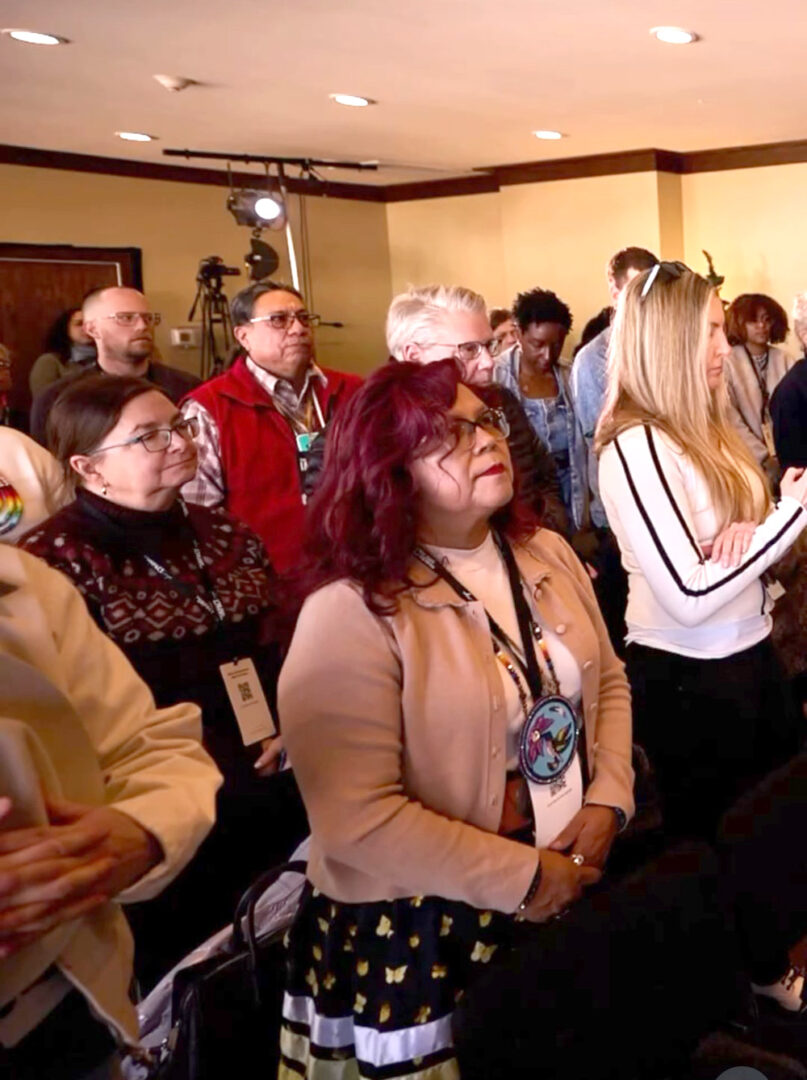
A full room, thoughtful questions and deep engagement
Narrative Infrastructure: The Missing Link
When we talk about narrative infrastructure, we’re really talking about the systems that shape which stories get told, which ones get repeated, and ultimately which ones people come to believe.
Narrative infrastructure is not just about individual storytellers or isolated moments of cultural attention. It is the interconnected systems, services, relationships, and platforms that enable stories, perceptions, and understandings to be constructed, shared, and evolved. These systems influence not only what stories circulate, but whose experiences are treated as credible, complex, and worthy of care.
Narratives are rarely accidental or neutral. They are built—intentionally or not—through repeated images, tropes, and storylines. When Black women are invisible, misrepresented, or reduced to crisis narratives, those portrayals reinforce harmful assumptions that surface in media coverage, public discourse, and policy debates alike.
Conversely, when stories are grounded in lived experience, care, joy, complexity, and agency, they expand what audiences believe is possible—and worthy of protection.
Bridging Policy, Culture, and Storytelling
At the Impact Lounge, panelists explored how entertainment and media can move beyond outdated or stigmatizing portrayals of reproductive health. A central theme of the discussion was the importance of engaging upstream—before moments of crisis, backlash, or harm—to shape the cultural conditions that influence how people understand reproductive autonomy in the first place.
This approach reflects a growing recognition across movements: that lasting change requires stronger connections between research, cultural strategy, and movement leadership. Efforts like the Narrative Power for Justice Initiative are working to build those connections, ensuring that Black women’s experiences inform not only policy conversations, but the stories that shape our collective imagination.
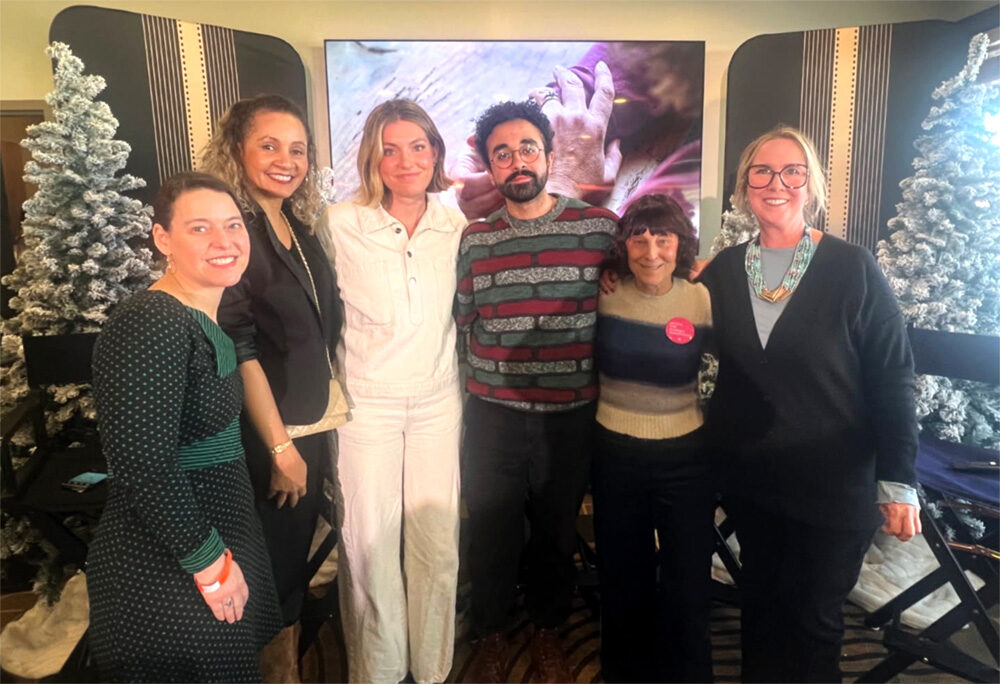
L-R: Vicki Shabo, Regina Davis Moss, Jess Jacobs, Humza Syed, Caren Spruch, and Margot Fahnestock bringing culture, policy, and storytelling into shared focus.
By bringing filmmakers, creators, advocates, and cultural leaders into shared space, these conversations help move reproductive storytelling beyond narrow frames of crisis. They create opportunities for stories rooted in truth, dignity, and justice—and for policy debates that are informed by the real, lived realities of Black women, families, and communities.